Spring Skiing in Niseko: Why Late Season Might Be the Best Time to Visit
 staff
staffWhen people think of Niseko, they picture January blizzards and waist-deep powder. And while peak season certainly delivers, there's a secret that experienced Niseko visitors have known for years: March and April might actually be the best time to visit. Spring skiing in Niseko brings longer days, warmer temperatures, thinner crowds, and lower prices—all without sacrificing great snow conditions.
If you've been holding off on a Niseko trip because of peak-season prices or crowded slopes, the Niseko late season could be exactly what you're looking for. Here's why.
Snow Conditions: Better Than You Think
The biggest misconception about spring skiing in Niseko is that the snow is gone or terrible. In reality, Niseko's massive snowfall (averaging over 14 meters per season) means there's plenty of base depth well into April.
March: Still Powder Season
March regularly delivers fresh powder days in Niseko. Cold fronts continue to roll in from Siberia, and while the frequency of big dumps decreases compared to January, you can still wake up to 20–30 centimeters of fresh snow. The difference? You'll be sharing it with far fewer people. Those untouched lines in the trees that get tracked out by 9 AM in January? In March, you might have them to yourself until lunch.
April: The Corn Snow Experience
By April, the snow transitions to what skiers call "corn snow"—a granular, softened surface that forms as the snowpack goes through daily freeze-thaw cycles. Far from being a downgrade, corn snow is smooth, predictable, and genuinely fun to ski. The trick is timing: head out in the morning after the overnight freeze softens in the sun, and you'll find grippy, carveable conditions until early afternoon.
Warmer temperatures also mean lighter clothing. Ditch the heavy down layers and ski in a softshell jacket. You'll move more freely, feel less fatigued, and might even catch a suntan on the chairlift.
Fewer Crowds, Lower Prices
This is where spring skiing really shines for budget-conscious travelers.
The Slopes Are Yours
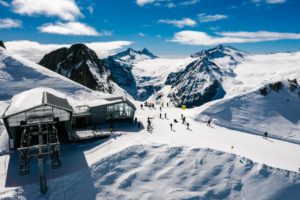
Lift lines that stretch 15–20 minutes during peak season? In spring, you'll walk straight onto the chairlift most of the time. Groomed runs feel wider with fewer people on them, and beginners and intermediate skiers especially benefit from the extra space to practice turns without worrying about collisions.
Accommodation Deals
Late-season rates for accommodation drop significantly compared to the December–February peak. Hotels and vacation rentals that charge premium prices in January often offer discounts of 30–50% by mid-March. That luxury condo you couldn't afford in February? It might be well within budget in late March or April. For more tips on stretching your travel budget, see our Niseko travel budget guide.
Equipment Rental Savings
Ski rental shops are less busy in spring, which means better availability and sometimes lower daily rates. You'll also find it easier to book premium or demo-level equipment that gets snapped up quickly during peak season. For a detailed look at rental options and pricing, check out our Niseko ski rental guide.
Dining Without the Wait
Niseko's restaurants and bars fill up fast during peak season, and reservations at popular spots can be hard to get. In spring, you'll find tables available at short notice, a more relaxed atmosphere, and the same great food. From ramen shops to izakayas (casual Japanese pubs serving drinks and small dishes), you can explore Niseko's dining scene without the stress of advance planning.
Spring Activities Beyond the Slopes
One of the biggest advantages of a spring visit is what happens off the mountain.
Longer Days, More Adventure
By late March, Niseko enjoys nearly 12 hours of daylight—a significant increase from the short winter days. This extra light means more time on the slopes and more time to explore after the lifts close. Sunset doesn't rush you indoors the way it does in December.
Scenic Drives and Day Trips
Spring is an ideal time to explore the broader Hokkaido region. The roads become easier to navigate as snow and ice recede, and the scenery is stunning—snow-capped mountains against clear blue skies, with the first hints of green appearing at lower elevations. Popular day trips include the historic canal town of Otaru (about 2 hours by car), the hot spring resort of Toyako (Lake Toya, roughly 1.5 hours), and the dramatic coastline along the Sea of Japan. For more ideas on exploring the area, check out our guide to hidden gems around Niseko.
A rental car from Land-N-Cruise makes these day trips easy and flexible. Drive at your own pace, stop wherever the view catches your eye, and get back to Niseko in time for dinner. Land-N-Cruise's 4WD vehicles come equipped with studless winter tires (designed for ice and snow without metal studs), so even if you encounter lingering snow on mountain passes, you'll be well prepared.
End-of-Season Events
Niseko's closing days have a festive atmosphere that's unique to spring. Resorts host end-of-season parties, pond skimming events (where skiers and snowboarders attempt to glide across a pool of water at the base of the mountain), and other celebrations. It's a fun, lighthearted way to wrap up the season and a side of Niseko you won't see in January.
Mount Yotei Views
The iconic cone of Mount Yotei—often called "Hokkaido's Mount Fuji"—is arguably at its most photogenic in spring. Clear skies are more frequent than in the snowy depths of winter, and the contrast of the snow-covered peak against emerging spring landscapes creates views that are worth the trip on their own.
What to Watch Out For
Spring skiing isn't without its quirks. Keep these factors in mind when planning your trip.
Variable Weather
Spring weather in Hokkaido can swing between warm sunshine and unexpected rain or wet snow. Pack layers and be prepared for changing conditions within a single day. A waterproof outer layer is essential, even on days that start sunny.
Resort Closures
Some lifts and runs begin closing from mid-March onward as snow coverage thins at lower elevations. The main resorts typically operate into early-to-mid April, but check the specific closing dates before booking your trip. Not all four Niseko resorts stay open equally late—Grand Hirafu and Annupuri tend to have the longest seasons.
Sun Protection
This catches many spring skiers off guard. The combination of stronger UV rays, longer exposure, and reflection off the snow surface can lead to serious sunburn. Wear sunscreen (SPF 50+), lip balm with UV protection, and quality goggles or sunglasses. Goggle tan lines are a badge of honor, but an actual sunburn is no fun.
Changing Road Conditions
As snow melts and refreezes, road surfaces can become uneven or icy, particularly in the early morning and evening. Potholes and frost heaves are more common in spring than in the stable cold of midwinter. Driving a reliable 4WD vehicle with proper tires makes a real difference during this transitional period—read more about why 4WD matters in Hokkaido and check our guide to winter driving in Japan for detailed tips.
Make the Most of Spring in Niseko
Spring skiing in Niseko is the best-kept secret of Hokkaido's ski season. You'll find great snow, empty slopes, lower prices, and a relaxed atmosphere that peak season simply can't match. Add in longer days, scenic day trips, and end-of-season festivities, and you've got all the ingredients for an unforgettable trip.
The key to unlocking spring Niseko is having your own transportation. With accommodations and activities more spread out than during peak season, a rental car from Land-N-Cruise gives you the freedom to ski multiple resorts, explore Hokkaido's stunning spring scenery, and travel on your own schedule.
Don't let the powder hype fool you—spring might just be the smartest time to visit Niseko.