Niseko's Last Powder Days: Making the Most of March and April Snow
 staff
staffMissed the January rush? Don't worry. Niseko—located in Hokkaido, Japan's northernmost main island, about 2 hours by car from New Chitose Airport (Sapporo)—doesn't stop delivering powder just because the calendar flips to March. While the crowds thin out and the days grow longer, cold fronts from Siberia keep bringing fresh Niseko March snow well into spring. If you know where to look and when to go, Niseko April skiing can rival anything peak season has to offer.
This guide breaks down the snow conditions month by month, shares strategies for chasing late season powder in Niseko, and explains why the final weeks of the ski season come with some serious perks.
March in Niseko: Real Snow, Real Powder
March is not the end of winter in Niseko. Statistically, the resort still receives significant snowfall throughout the month, with fresh dumps arriving several times a week during good years. The base depth at upper elevations often exceeds 3 meters, and cold overnight temperatures keep the snow light and dry. Most Niseko resorts operate until early-to-mid April, with Grand Hirafu and Annupuri typically running the longest seasons.
Morning Sessions Are Everything
The key to March powder is timing. Fresh snowfall typically arrives overnight, and the best conditions are found first thing in the morning. By early afternoon, rising temperatures can soften the surface, especially on south-facing slopes. Plan your days around early starts: be at the lift when it opens, ski hard until lunch, and save the afternoon for relaxing in an onsen (hot spring bath) or exploring the village.
Head for the Summit
Higher elevations hold powder longer. The upper slopes of Mount Annupuri, particularly the areas accessed from the Annupuri and Hanazono gondolas, tend to preserve dry snow well after lower runs have turned slushy. The tree runs near the summit stay shaded and cold, making them reliable powder stashes even in late March. For a full breakdown of each resort's terrain, see our guide to Niseko's four ski resorts.
Fewer People, More Lines
One of the biggest advantages of March skiing is the drop in visitor numbers. Those untracked tree lines that disappear by 9 AM in January? In March, you might have them to yourself until midday. Lift queues shrink dramatically, and you can lap your favorite runs without the stop-and-go rhythm of peak-season crowds.
April: The Art of Corn Snow
By April, the snow undergoes a transformation. The daily freeze-thaw cycle creates what skiers call "corn snow" or "zarame" in Japanese. This granular, softened surface is not a lesser version of powder. It's a different experience entirely, and plenty of experienced skiers consider it one of the most enjoyable snow types to ride.
Why Corn Snow Is Underrated
Corn snow is smooth, predictable, and forgiving. The softened granules provide excellent grip for carving turns, and the consistent surface makes speed control easier than on hard-packed or icy runs. For intermediate skiers building confidence, April conditions can actually be more comfortable than the variable snow of midwinter. The snow feels almost like skiing on a soft carpet that responds well to edge pressure.
Backcountry Bonus
For backcountry enthusiasts, April corn snow offers stable, predictable conditions that are ideal for touring. The consolidated snowpack reduces avalanche risk compared to the volatile layers of midwinter, and the firm morning surface makes skinning uphill efficient. As the sun warms the slopes through the morning, the top layer softens into perfect skiing consistency. If you're interested in venturing beyond the resort boundaries, consider hiring a local guide service—several operate out of Hirafu village and offer half-day and full-day touring packages with avalanche safety equipment included.
Blue Skies and Big Views
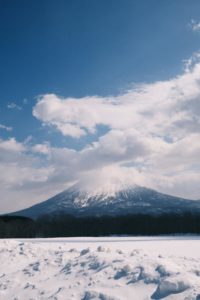
April brings a dramatic increase in clear-sky days. While January and February are defined by heavy snowfall and overcast skies, spring offers stunning visibility. Mount Yotei—often called "Hokkaido's Mount Fuji"—stands in sharp relief against blue skies, and the panoramic views from the upper mountain are at their best. Bring a camera. These are the days that produce the postcard shots.
How to Chase the Last Powder
Late-season powder hunting requires a bit more strategy than simply showing up in January. Here's how to maximize your chances.
Watch the Forecasts
Niseko's official snow reports, updated daily during the season, are your best resource. Combine these with weather forecast apps that show precipitation and temperature at elevation. When you see a cold front approaching with overnight temperatures dropping below -5°C, there's a good chance you'll wake up to fresh powder.
Know Which Slopes Hold Snow
North-facing slopes retain cold, dry snow the longest. In Niseko, this means the back side of Annupuri and the shaded tree zones of Hanazono are your best bets for finding untracked snow days after a storm. South-facing runs warm up faster and transition to spring conditions earlier in the day.
The Powder Chase Strategy
With a rental car, you're not locked into one resort. Niseko's four interconnected ski areas each have different aspects and microclimates. On a given morning, Grand Hirafu's upper bowl might be wind-affected while Annupuri's sheltered tree runs hold pristine powder. Having the freedom to drive between resorts—a trip of just 10 to 20 minutes—lets you follow the best conditions rather than hoping for the best at a single base area.
This "powder chase" approach is especially effective in spring, when snow conditions vary more from slope to slope. A rental car from Land-N-Cruise gives you that flexibility, with 4WD capability and winter tires to handle whatever the spring roads throw at you.
Late-Season Perks You Shouldn't Miss
Beyond the snow itself, the final weeks of the ski season come with bonuses that peak-season visitors never see.
End-of-Season Events
Niseko's closing days are a celebration. Resorts host pond-skimming contests (where skiers and snowboarders try to glide across a pool of water at the base), closing parties with live music, and costume skiing days. The atmosphere is relaxed and festive, a complete contrast to the serious powder-hunting vibe of January. It's the kind of experience that turns a ski trip into a genuine memory.
Almost Zero Lift Lines
By April, lift queues are virtually nonexistent. You can ski continuously without the frustrating waits that define busy periods. For families with young children or beginners who benefit from repetition, this is a massive advantage. More runs per hour means faster improvement and more fun.
Better Deals on Everything
Accommodation prices drop 30–50% compared to peak season. Lift ticket packages and multi-day passes often come with late-season discounts. Equipment rental shops have full availability and sometimes lower rates—see our Niseko ski rental guide for details on what to expect. For a complete breakdown of how to save money on your Niseko trip, check out our Niseko budget planning guide. Even dining is easier, with tables available at popular restaurants that require weeks of advance booking in January.
Getting Around in Spring
Public transportation options thin out after peak season ends. Some shuttle buses reduce their schedules or stop running entirely by mid-March, which can leave you stranded if you're relying on them to reach the slopes for early-morning first tracks.
This is where having your own vehicle becomes essential. A 4WD rental from Land-N-Cruise means you can hit any resort at opening time, chase powder across multiple mountains in a single day, and take scenic day trips through Hokkaido's stunning spring landscape—check out our guide to hidden gems around Niseko for inspiration. Load up your skis, backcountry gear, and everything else you need without worrying about bus schedules or luggage limits. For more on why spring is the perfect time to visit, see our spring skiing guide.
Don't Sleep on Late-Season Niseko
Powder isn't exclusive to January. March still delivers fresh snow days, and April's corn snow is a genuine pleasure that deserves more respect. Add in empty slopes, lower prices, festive end-of-season events, and some of the best views of the year, and you have a compelling case for booking your trip outside peak season.
The smart play? Grab a rental car, keep an eye on the forecast, and be ready to chase Niseko's last powder days wherever they fall. The mountain rewards those who show up, no matter what month it is.