Backcountry Skiing Near Niseko: Routes, Risks, and Rewards
 staff
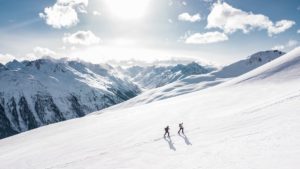
staffThe moment you step beyond the resort gates, everything changes. The groomed runs and lift queues disappear behind you, replaced by untouched snow, silent forests, and a landscape that feels like it belongs entirely to you. Niseko's backcountry has earned a global reputation among serious skiers and snowboarders for good reason—the terrain is varied, the snow is impossibly light, and the access from the resort is easier than almost anywhere else in the world. But backcountry skiing is not just an extension of resort riding. It is a different sport entirely, with different rules, different risks, and different rewards. Here is what you need to know before heading out.
Why Niseko's Backcountry Terrain Stands Out
Niseko sits on the western side of Hokkaido, directly in the path of cold Siberian weather systems that sweep across the Sea of Japan. These systems dump enormous quantities of dry, light powder snow—an average of 14 to 18 meters per season—onto the mountains surrounding Mount Niseko Annupuri. The result is some of the driest, deepest powder on the planet, and it lasts longer here than at many other backcountry destinations because of consistently cold temperatures.
The terrain around Annupuri is remarkably accessible. Unlike backcountry areas in places like Alaska or the European Alps that require helicopter drops or multi-hour approaches, many of Niseko's best off-piste zones can be reached within a short hike from the top of a resort lift. This combination of world-class snow and easy access is what makes Niseko backcountry skiing so appealing—and so popular.
Niseko operates a gate system managed by the Niseko Avalanche Information System (NAIS). Around the resort boundary, you will find numbered gates—physical openings in the boundary fence marked on resort trail maps. When conditions are safe, NAIS opens specific gates, and any skier with a valid resort lift pass can walk through them into the off-piste Niseko backcountry beyond. No permit or sign-up is required for open gates, but passing through one means leaving the patrolled resort area entirely. This is an important distinction: gate-accessed backcountry is not the same as venturing into fully unmanaged terrain further from the resort. Both exist near Niseko, and they require different levels of preparation.
Key Backcountry Routes Near Niseko
Annupuri Summit East Face
The east-facing slopes below Annupuri's 1,308-meter summit are among the most popular backcountry runs in the area. Accessed via a short boot-pack from the top of the Annupuri resort lifts, these wide open faces offer sustained steep pitches through birch forests and open bowls. The east aspect means the snow here stays cold and dry well into the day. This terrain suits intermediate to advanced backcountry skiers and typically requires a 20 to 40-minute hike depending on your starting point.
North-Facing Slopes of the Niseko Range
The north-facing terrain across the Niseko mountain range holds powder longer than almost any other aspect in the area. Because these slopes receive minimal direct sunlight during winter, the snow stays light and unaffected for days after a storm. Accessing these zones usually requires a longer approach and solid route-finding skills. The reward is often completely untracked powder days after the resort-accessed areas have been skied out.
Mount Moiwa
Located about 10 kilometers south of the main Niseko resort area, Moiwa is a smaller, quieter mountain that has become a favorite starting point for introductory backcountry tours. The terrain is gentler and more forgiving than Annupuri's steeper faces, making it well-suited for skiers who are new to off-piste riding but want to experience untracked snow with a guide. If you are curious about backcountry but feeling intimidated, a half-day guided tour at Moiwa is a low-barrier way to start. Several guide companies run beginner-friendly tours here, and the tree skiing through Moiwa's birch forests is genuinely beautiful. Note that Moiwa is not connected to the main Niseko resort shuttle network, so you will need your own transport to reach the trailhead parking area.
Areas to Avoid
Not all terrain around Niseko is open for backcountry access. Some areas are permanently closed due to avalanche danger, environmental protection, or proximity to infrastructure. Always check the current gate status and closure notices before heading out. The Niseko Avalanche Information System posts daily updates on which gates are open and provides avalanche risk assessments. Entering closed areas is not just dangerous—it can result in fines and the closure of gates for everyone.
Risks and Safety: What You Cannot Afford to Ignore
Backcountry skiing carries real risks that do not exist within resort boundaries. Avalanches are the most serious hazard, and Niseko's heavy snowfall creates avalanche-prone conditions throughout the winter season. Understanding the basics of avalanche terrain, snowpack stability, and rescue procedures is not optional—it is essential.
Essential Safety Gear
Every person entering the backcountry must carry the “big three” of avalanche safety equipment:
- Avalanche transceiver (beacon) — a device worn on your body that transmits and receives signals to locate buried skiers. Everyone in your group must have one, and everyone must know how to use it.
- Probe — a collapsible pole used to pinpoint the exact location of a buried person after your transceiver has narrowed the search area.
- Shovel — a compact, sturdy shovel for digging out a buried skier. Digging with your hands in dense avalanche debris is nearly impossible.
These three items are non-negotiable. Rental shops in the Niseko area offer backcountry safety equipment packages, typically for around ¥3,000 to ¥5,000 per day. If you do not own this gear, rent it. If you do not know how to use it, take a course or hire a guide.
Reading Conditions
Avalanche conditions change constantly. The Niseko Avalanche Information System and resources like the Japan Avalanche Network provide daily forecasts rating the danger level from Low to Extreme. Check these reports every morning before making any backcountry plans. Pay attention to recent snowfall amounts, wind direction, and temperature changes—these are the primary drivers of avalanche risk.
Cell phone reception in the backcountry around Niseko is inconsistent. Some areas have coverage, while others are complete dead zones. Always tell someone your planned route and expected return time. Carry a fully charged phone and consider a portable battery pack, but do not rely on your phone as your only safety tool.
Why Solo Backcountry Is a Bad Idea
Going into the backcountry alone is one of the most dangerous decisions you can make. If you are caught in an avalanche, injured in a fall, or simply lose your way in poor visibility, there is nobody to help you. Avalanche burial survival rates drop dramatically after the first 15 minutes. You need someone with you who can initiate a rescue immediately. No amount of experience makes solo backcountry travel safe.
Hiring a Backcountry Guide in Niseko: More Than Just Safety
A professional backcountry guide in Niseko does far more than keep you alive. Certified guides hold qualifications from organizations like the Canadian Avalanche Association or the Japan Mountain Guides Association (Japan's national certification body for mountain guides, comparable to IFMGA internationally). They read the snowpack daily, know the terrain intimately, and can find untouched powder when everyone else is skiing the same tracked-out lines.
What to Expect from a Guided Tour
Half-day tours typically run 3 to 4 hours and cost between ¥15,000 and ¥25,000 per person, depending on group size and the guide company. Full-day tours run ¥25,000 to ¥40,000 and cover more terrain with a lunch break. Multi-day touring packages are available for experienced groups looking to explore further into the Niseko range or venture to remote peaks.
Beyond safety, a good guide gives you access to terrain you would never find on your own. They know which aspects hold the best snow at what time of day, which gullies funnel wind-loaded slabs, and where the best tree runs hide. For your first few backcountry days especially, the value of a guide cannot be overstated.
Book your guide well in advance, particularly during peak season from January through February. Popular guide services fill up weeks ahead, and last-minute availability is rare during powder cycles when everyone wants to get out.
Getting to the Backcountry: Why Access Matters
Backcountry skiing often means early starts. The best untracked powder goes to those who reach the trailhead first, and that usually means leaving your accommodation before the resort shuttle starts running. Guide services may pick you up, but many tours meet at specific trailheads or parking areas that are not served by public transport.
Then there is the gear. A full backcountry setup—skis, boots, poles, beacon, probe, shovel, skins, pack, extra layers, food, and water—does not fit easily into a shuttle bus alongside twenty other passengers. Having your own vehicle means you can load everything the night before and drive straight to the meeting point without the stress of hauling heavy equipment on foot.
If you are planning backcountry days during your Niseko trip, a rental car from Land-N-Cruise makes the logistics significantly easier. All Land-N-Cruise vehicles come equipped with 4WD and winter tires, which you will need on the mountain access roads—if you are new to winter driving in Japan, it is more straightforward than you might expect. Having your own vehicle also gives you the flexibility to explore areas like Niseko's late-season powder spots or quieter mountains like Moiwa without being tied to resort transport schedules. Book early—vehicles fill up fast during peak powder weeks in January and February.
The Reward: Why It Is Worth the Effort
Backcountry skiing is not for everyone, and it should never be taken lightly. But for those willing to invest in the right preparation, gear, and guidance, the experience is unlike anything the resort can offer. Standing on an untracked slope above the clouds, with nothing but silence and waist-deep powder stretching out below you—that is the moment that keeps people coming back to Niseko year after year.
Treat the backcountry as a separate mountain sport. Get the training. Carry the gear. Hire the guide. And when you are ready, step through the gate. The mountain is waiting.
For more on making the most of late-season conditions, see our guide to spring skiing in Niseko, where mellower backcountry terrain and longer days create ideal touring conditions. And when you are ready to plan your transport, Land-N-Cruise has 4WD vehicles ready for mountain access roads and early-morning trailhead runs.