Winter Driving in Japan: What International Visitors Need to Know
 staff
staffDriving through Japan's snowy landscapes can be one of the most rewarding experiences of your winter trip—but it requires preparation and knowledge. Whether you're planning to explore Niseko's ski resorts or venture through Hokkaido's winter wonderland, understanding Japan's unique winter driving conditions is essential for a safe and enjoyable journey. This guide covers everything international visitors need to know before getting behind the wheel.
Understanding Japan's Winter Road Conditions
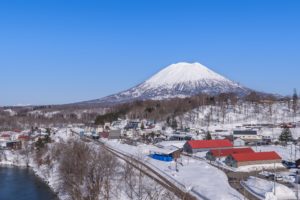
Hokkaido, Japan's northernmost island, experiences some of the heaviest snowfall in the world. Average winter temperatures range from -5°C to -10°C (23°F to 14°F), with areas like Niseko receiving over 15 meters of snow annually.
Japanese roads are generally well-maintained, with regular snow removal and de-icing on major routes. However, you'll still encounter:
- Compacted snow: Even cleared roads often have a layer of packed snow
- Black ice: Nearly invisible ice patches, especially dangerous on bridges and shaded areas
- Reduced visibility: Heavy snowfall can limit visibility to just a few meters
- Narrow roads: Snow banks reduce effective road width, particularly on rural routes
Road maintenance in Japan is excellent compared to many countries, but winter conditions still demand respect and caution from all drivers.
Essential Winter Driving Techniques
If you're new to winter driving, these fundamental techniques will help you stay safe:
Starting and Stopping
Always accelerate gently to avoid wheel spin. When braking, apply pressure gradually and early—stopping distances can be 10 times longer on ice. If your vehicle has ABS (anti-lock brakes), apply firm, steady pressure and let the system work.
Cornering Safely
Reduce your speed before entering a turn, not during it. Sudden steering or braking mid-corner can cause your vehicle to slide. Smooth, gentle inputs are key to maintaining control.
Following Distance
Increase your normal following distance by at least three times. The "3-second rule" becomes a "9-second rule" in winter conditions.
Hills and Slopes
When climbing hills, maintain steady momentum—avoid stopping if possible. When descending, use engine braking by shifting to a lower gear rather than relying solely on your brakes.
International Driving Permit and Requirements
To legally drive in Japan as a tourist, you'll need an International Driving Permit (IDP) based on the 1949 Geneva Convention. Here's what you need to know:
- Obtain before arrival: Get your IDP from your home country (usually through automobile associations like AAA)
- Validity: IDPs are valid for one year from issue date
- Carry both licenses: You must have both your IDP and original driver's license when driving
- Age requirements: Most rental companies require drivers to be at least 21 years old
Key Japanese Traffic Rules
- Drive on the left side of the road
- Speed limits: 40-60 km/h in cities, 50-60 km/h on regular roads, 100 km/h on expressways
- Seatbelts are mandatory for all passengers
- Mobile phone use while driving is prohibited (except hands-free)
- Blood alcohol limit is 0.03% (effectively zero tolerance)
Why Vehicle Choice Matters
Perhaps the most important decision for winter driving in Japan is choosing the right vehicle. The difference between a 2WD and 4WD vehicle in snowy conditions is substantial.
4WD vs 2WD in Winter
While all rental vehicles in Hokkaido come equipped with winter tires, four-wheel drive provides critical advantages:
- Superior traction when starting from stops on snow and ice
- Better control on uphill climbs
- Improved stability in adverse weather conditions
- Increased confidence for drivers unfamiliar with winter roads
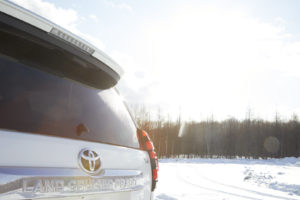
For international visitors who may have limited experience with heavy snow, a 4WD vehicle isn't just recommended—it's a smart investment in your safety and peace of mind. Vehicles like the Toyota Land Cruiser offer not only superior winter capability but also spacious interiors for passengers and ski equipment.
Prepare for a Safe Journey
Winter driving in Japan doesn't have to be intimidating. With proper preparation, an International Driving Permit, understanding of basic winter driving techniques, and—most importantly—the right vehicle, you can safely explore everything Hokkaido has to offer.
Before you rent, always choose a reputable company that provides well-maintained, winter-ready vehicles. Opt for 4WD when available, especially if you're planning to visit mountain areas like Niseko. The small additional cost provides invaluable safety and opens up your possibilities for exploration.
Remember: the journey is part of the adventure. Drive carefully, take your time, and enjoy the stunning winter landscapes that make Japan such a special destination.